
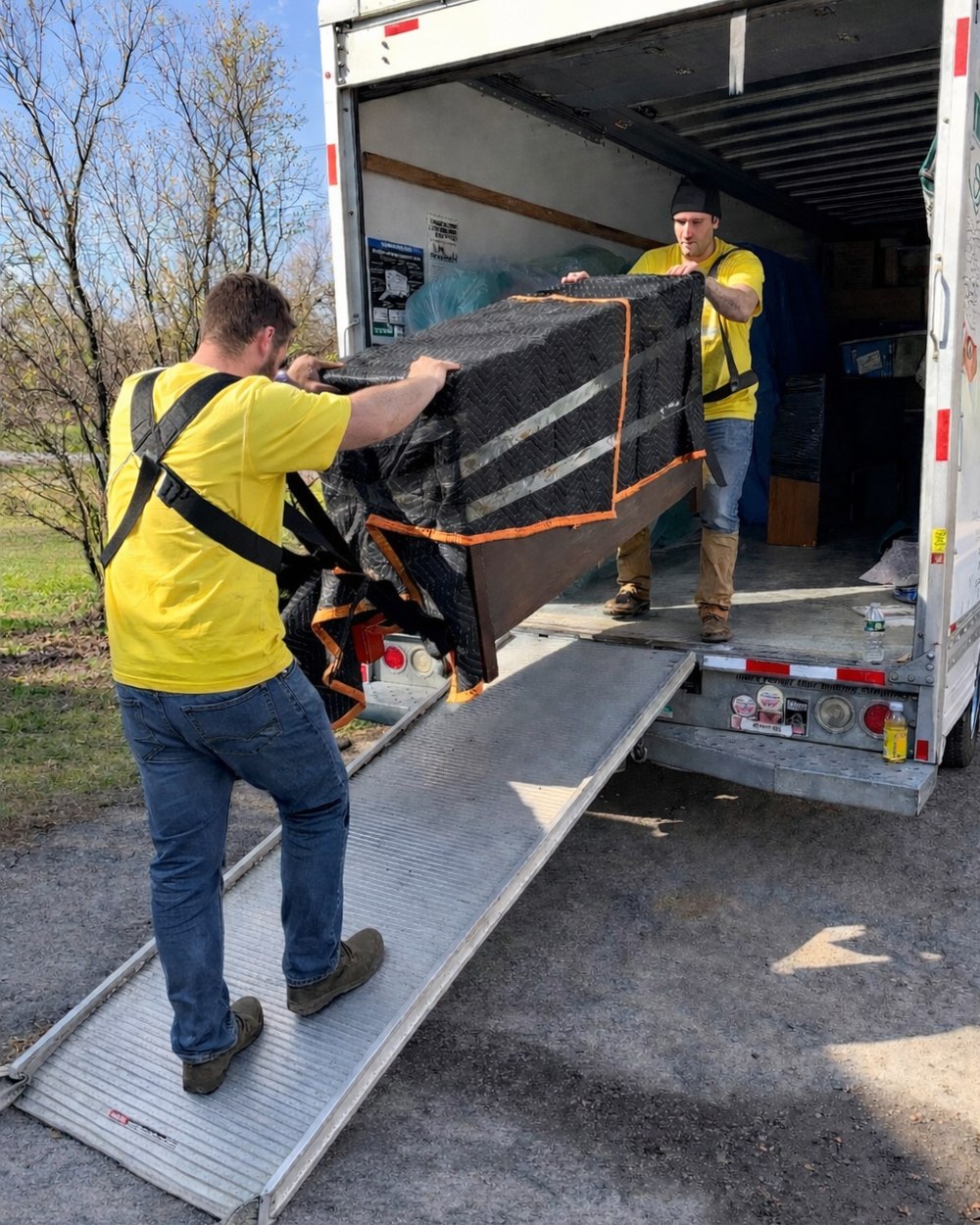
This is for anyone in the Hudson Valley with a hot tub that has to go somewhere else, whether that is a new house, the other side of the yard, or off the property. It covers what has to happen before the crew arrives, what we ask about the route, what the crew brings, and how the job is priced.
Why a hot tub is harder than it looks
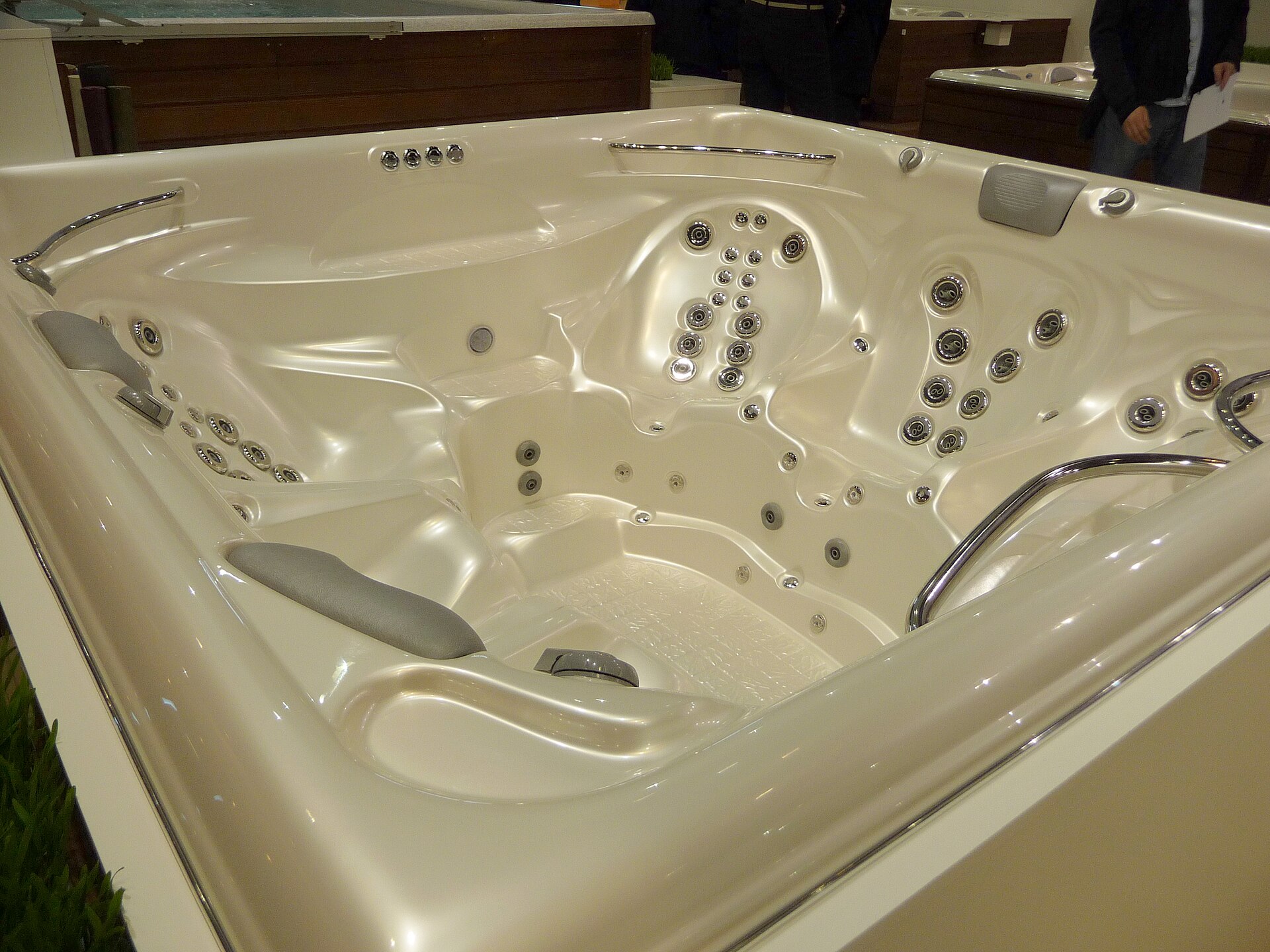
A gun safe is heavy for its size. A hot tub is the opposite problem. Once it is drained, most of its size is air, but that size is the whole difficulty. It is too wide to go flat through most gates, it has few good places to hold, and its weight is not even, because the pump, the heater and the plumbing all sit inside the cabinet on one side.
It also has weak spots that do not look like weak spots. The cabinet panels are thin. The corners take the hit when a tub gets set down hard. The plumbing behind those panels can crack without showing anything until the tub is filled again at the other end. So the job is less about strength than about where the tub gets held, where it gets set down, and how it turns.
What has to happen before the crew arrives
A tub full of water cannot be moved, and a tub still wired to the house should not be touched. These steps come first, and they need a few days of planning, not a few hours.
- Drain it. Start early. A tub takes a while to empty, and water left in the lines and the footwell adds weight and comes out on the way. Check your owner's manual for how to clear the lines.
- Disconnect the power. Many tubs are hard-wired to their own circuit. That is a job for a licensed electrician, at both ends. A plug-in tub only needs unplugging.
- Take off what comes off. The cover, the cover lifter, the steps and any loose pillows or filters travel separately.
- Get the new spot ready. The pad or deck at the other end should be level and able to hold a full tub, with power ready to be connected. A tub that arrives before its spot is ready has to be moved twice.
What we ask about the route
The tub is one question. The path is most of the others. A photo of each end and a tape measure go a long way here.
- The length, the width and the height of the tub, because the height is often the number that has to fit through a gate.
- Where it sits now: on a pad, on a deck, or set down into a deck.
- The width of the narrowest gate or gap on the way out, and on the way in.
- How many steps there are, including deck stairs, and whether they turn.
- What the ground is: pavement, gravel, lawn, or a slope.
- How close the truck can park at each end.
The answers change from one house to the next. A tub on a raised back deck in Saugerties starts with the deck stairs. One at the end of a long gravel drive outside Woodstock is mostly about the ground between the tub and the truck. A tub on a patio in Rhinebeck might be a short, level roll to the driveway.
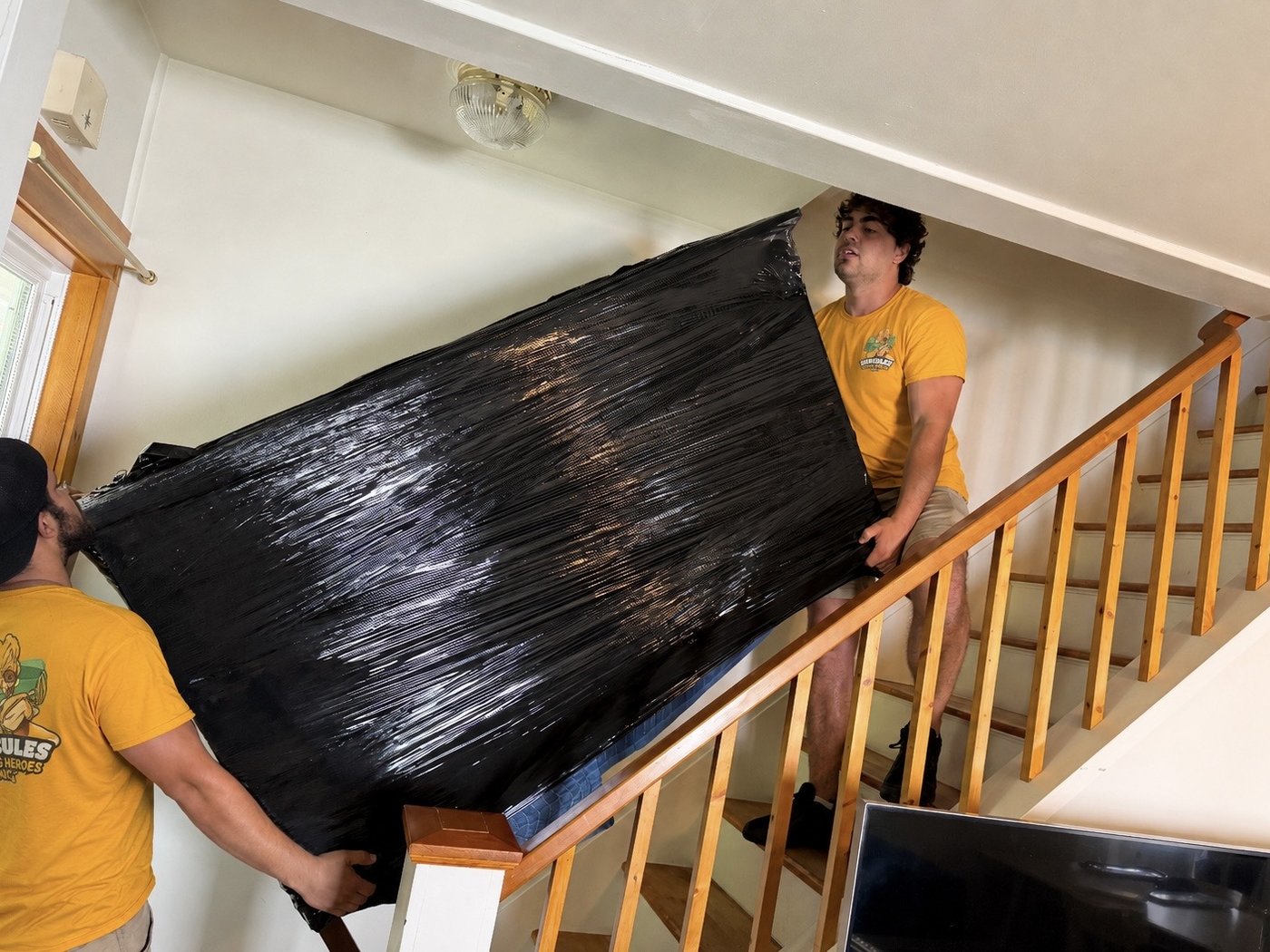
Sometimes a piece of railing or a fence panel has to come off before a tub can get out. If that looks likely, we want to know before the day, and you decide who takes it off and who puts it back. Some tubs cannot go out by hand at all, such as one in a fenced yard with no gate wide enough. A crane is the usual answer then, and that is a separate company and a separate cost. It is better to find that out now than with a crew standing in your yard.
What the crew brings
As with anything on our specialty item page, the crew comes with furniture dollies, heavy duty straps, stair climbers, floor protection and blankets, and uses what the tub and the path call for. A tub usually travels up on its side, since that is what gets it through a gate. Blankets go on where it could touch a post or a wall. Straps hold it to the dolly so it moves as one piece. Then it goes slowly, and it gets set down where it is going to stay, so nobody has to shift it again.
How a hot tub move is priced
The tub on its own. If the tub is the only thing moving, it is a single item. Single items are priced on their own, agreed up front, and not held to the three-hour minimum. You tell us about the tub and the route, and you get one price before the day.
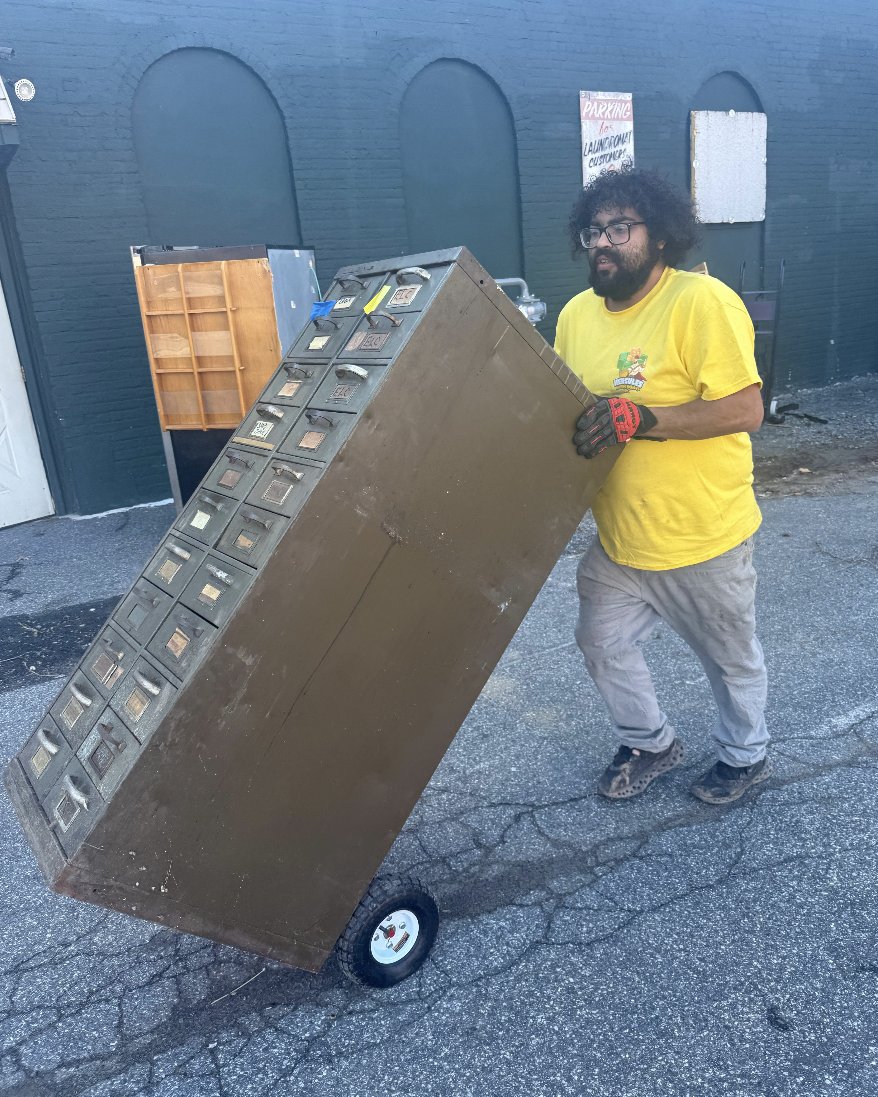
The tub as part of a full move. If it goes with the rest of the house, it is part of the hourly local move. Our rates are published: 2 movers at $200 an hour, 3 movers at $280, 4 movers at $350, with a three-hour minimum and the same rate with or without a truck. The heaviest thing on the job sets the crew, so a tub can mean a bigger crew than the rest of the house would need.
Before you pay to move a tub at all, ask if it is worth moving. If it is old, or it has been leaking, a move will not fix that, and the new owner of your house may be glad to have it. If you are selling, leaving it with the house may be the cheapest option.
If you are ready to find out what yours would cost, the estimator has a hot tub option.